
.png) QS 2027 · #1

STUDY IN THE USA
Study in the USA
The widest choice of universities anywhere, with strong research, internships and a work route after graduation. Here is how admissions, costs, the F-1 visa and OPT actually work.
Other destinations
OVERVIEW
Why study in the USA?
No other country offers this range: more than a thousand institutions, from large public research universities to small liberal arts colleges, with programmes you can shape around your interests. Costs and outcomes vary enormously between institutions, so the right shortlist depends on your funding and career goals more than on a famous name.
- The largest choice of ranked research universities in the world
- Flexible degrees: many bachelor's students choose their major after starting
- Internships and industry links built into many programmes
- Funded routes at master's and PhD level, such as assistantships
- OPT work authorisation after study, extendable for STEM graduates
Computer ScienceEngineeringData & AnalyticsBusiness & MBAHealth & Life SciencesLiberal Arts
Requirements such as SAT/ACT, GRE or GMAT differ by university and are often optional. Always check each programme's own page.
TOP UNIVERSITIES
Leading universities in the USA.
Three of the highest-ranked institutions, shown for orientation. Rankings do not tell you which programme suits you, so we compare course content, funding and outcomes as well.
QS 2027 · #1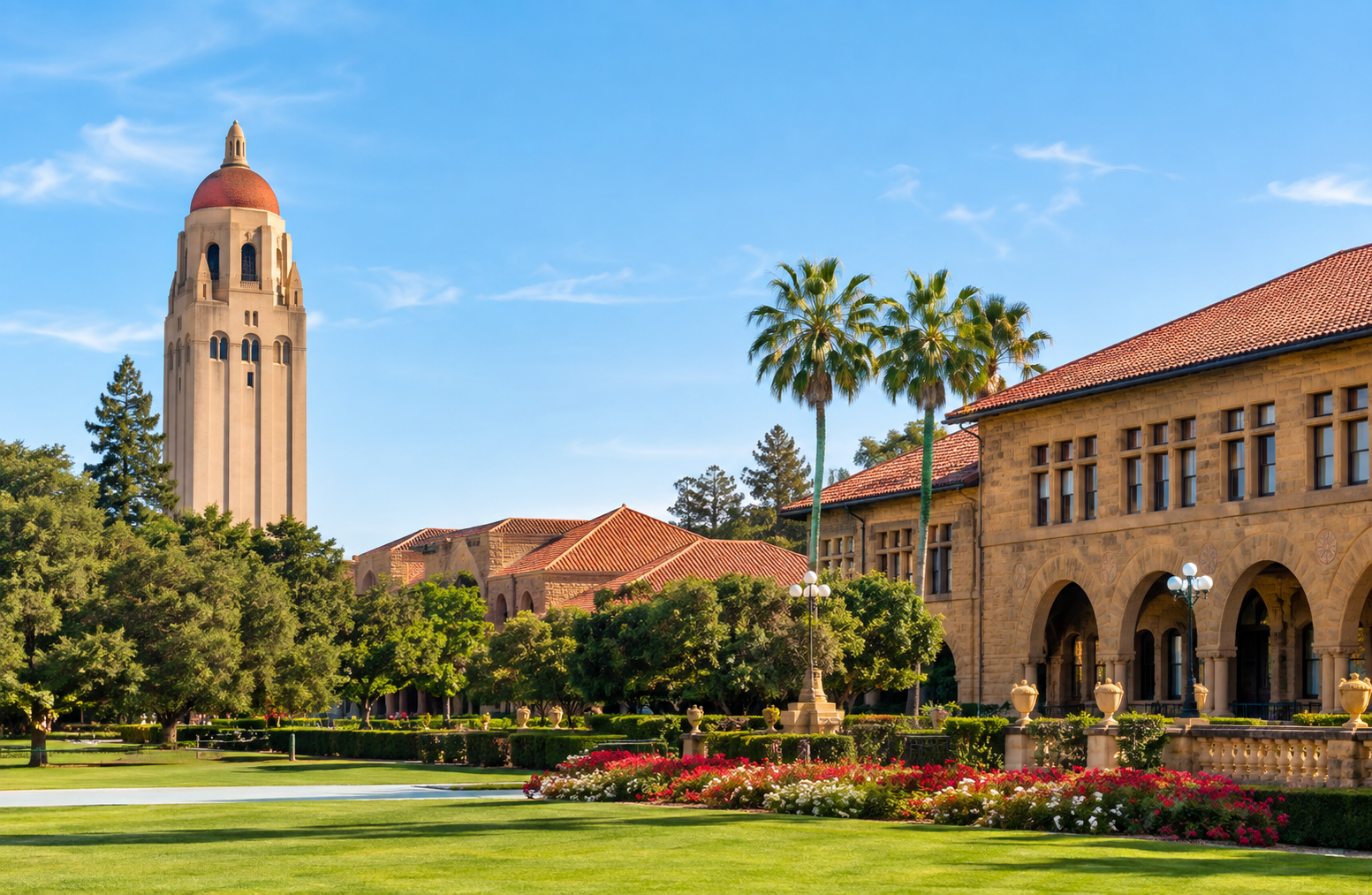 QS 2027 · #2
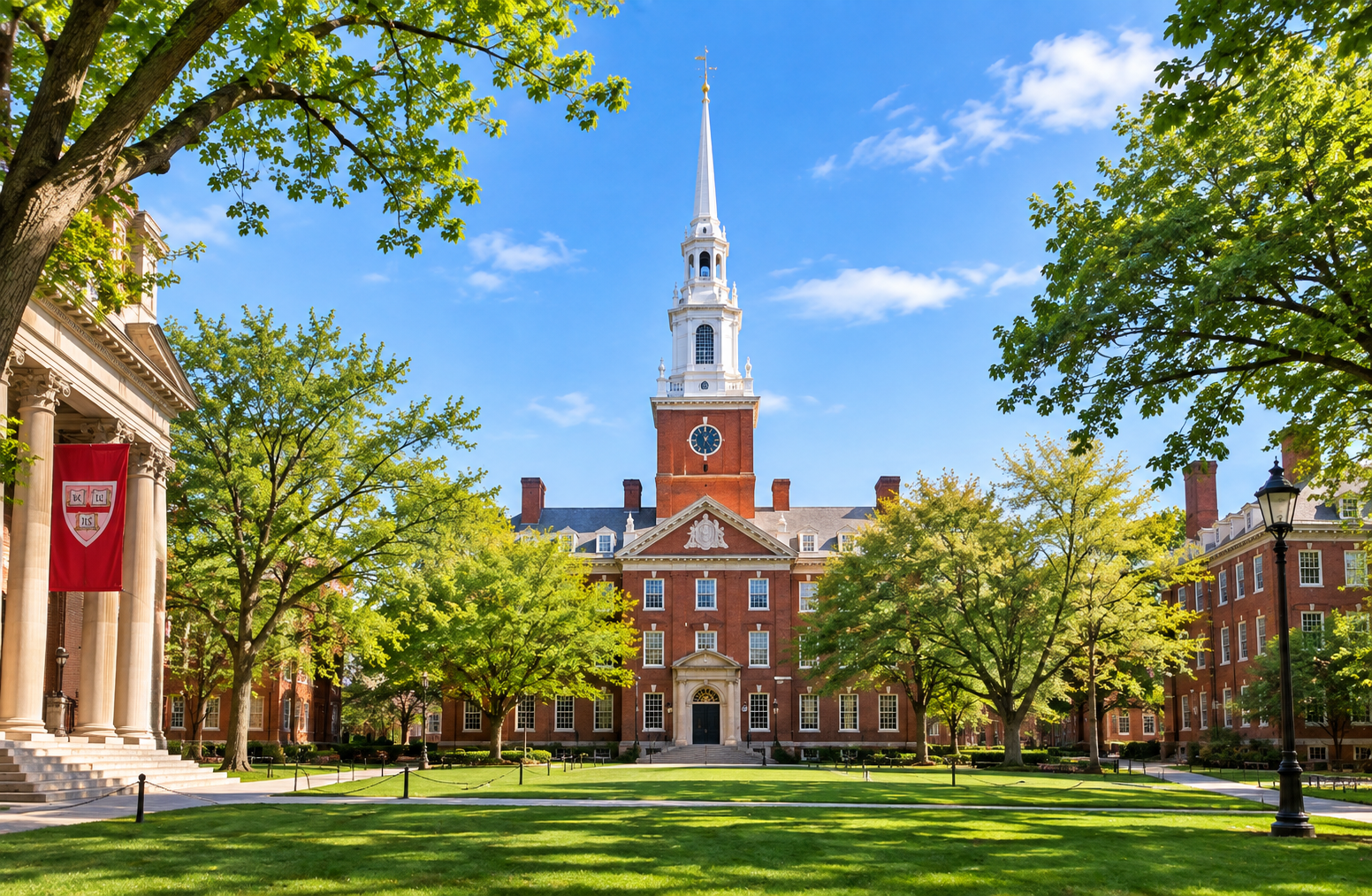 QS 2027 · #5
Also popular with international students, by field
| Field | Examples of universities to look at | Worth knowing |
|---|---|---|
| Computer science & engineering | Carnegie Mellon University, Georgia Institute of Technology, University of Illinois Urbana-Champaign, Purdue University, University of Texas at Austin, Arizona State University | Many programmes are STEM-designated, which matters for the OPT extension. |
| Business & analytics | University of Michigan, New York University, Northeastern University, University of Texas at Dallas, Rutgers University | Business master's often prefer work experience; GMAT/GRE policies vary. |
| Data & applied sciences | University of California campuses, Stevens Institute of Technology, New Jersey Institute of Technology, Northeastern University | Check whether the exact programme is on the STEM designated list. |
| Health & life sciences | Johns Hopkins University, University of Michigan, Boston University | Research fit and lab experience often decide admission. |
Examples only, not rankings or recommendations. Ranking reference: QS World University Rankings 2027. Always verify programme details on each university's official website. Browse all universities →
DEGREES & TESTS
What you can study, and what you need to apply.
US universities look at your whole profile, not only marks. Here are the main routes and the tests that usually come with them.
Bachelor's degree
Four years. You often declare your major after the first year or two. Applications typically use the Common Application or a university's own portal, with essays and recommendations.
Master's degree (MS / MA)
One to two years, most often two for STEM. Coursework, project or thesis options. You apply to each programme directly with a statement of purpose and recommendations.
MBA
Usually two years, with some one-year programmes. Most expect several years of work experience and a GMAT or GRE score, though waivers exist.
PhD
Typically four to six years and often funded through stipends and tuition waivers. Admission turns on research fit and your recommenders.
Community college transfer
Study two years at a community college, then transfer to a four-year university to finish your bachelor's. It can lower cost, but credit transfer rules vary.
Tests you may need
| Test | Used for | What to expect |
|---|---|---|
| SAT / ACT | Bachelor's | Required at some universities and optional at many. Check each one. |
| GRE | Master's and PhD | Required by some programmes, optional or not considered at others. |
| GMAT (or GRE) | MBA and business master's | Often required or accepted; some programmes waive it with work experience. |
| TOEFL / IELTS / Duolingo / PTE | All levels | Accepted tests and minimum scores are set by each university. Scores commonly sit around TOEFL 80–100 or IELTS 6.5–7.0. |
TranscriptsStatement of purpose or essays2–3 recommendation lettersResume / CVTest scoresProof of funds after admission
COSTS
What it costs to study in the USA.
Choose a level, university type and lifestyle to see an indicative total for your whole degree, in US dollars and rupees.
Build your estimate
Change any option and the result updates straight away.
Tuition per year by level and university type
| Level | Typical duration | Budget | Mid-range | Premium |
|---|
Living costs depend on where you study
| Type of area | Examples | Indicative living cost per month |
|---|---|---|
| University towns and lower-cost regions | Many Midwest and Southern university towns | About $1,300 – $1,600 |
| Mid-cost cities | Austin, Dallas, Chicago, Atlanta | About $1,600 – $2,000 |
| High-cost metros | New York, Boston, San Francisco Bay Area, Los Angeles | $2,000 and above |
Indicative planning averages, not quotes. Rent is the biggest variable; university health insurance is usually compulsory and included in the estimate above. For more detail, try the full cost calculator →
INTAKES & DEADLINES
When to start for the USA.
Fall is the main intake with the widest choice of programmes and funding. Start earlier than you think: tests, applications and the visa each take months.
Typical application windows
| Intake | Level | Typical timing |
|---|---|---|
| Fall | Master's | Applications open around September to October the year before. Deadlines commonly fall between December and March, and some programmes admit on a rolling basis. |
| Fall | Bachelor's | Early rounds around November 1, regular rounds around early January to February. Dates differ by university. |
| Spring | Master's | Applications commonly close between the summer and autumn before, and fewer programmes offer a Spring start. |
Your preparation timeline
Working back from the intake you choose.
A general guide. Deadlines differ by university and programme.
F-1 STUDENT VISA
From admission letter to the visa interview.
Most international students study on an F-1 visa. The steps are the same for everyone, but consular timing and checks change, so plan around the interview slot first.
Policy watch · checked 24 September 2026
US student rules are moving
A federal rule published in July 2026 would replace "duration of status" with fixed admission periods of up to four years, and cut the post-study grace period from 60 to 30 days. It was due to start on 15 September 2026, but a federal court order paused it the day before, and the case is still going.
Consular checks have also tightened: nearly all F-1 applicants now attend an in-person interview, and your online presence is reviewed. We check official sources (the U.S. Department of State, USCIS and your university's international office) before advising you.
Get admitted and receive your I-20
After you accept an offer and show funds, the university issues Form I-20.
Pay the SEVIS fee
Pay the SEVIS I-901 fee and keep the receipt. You need it to book an interview.
Complete the DS-160
Fill in the online application, including the social media accounts you have used in the last five years.
Book your appointments
Book biometrics and the visa interview as early as your I-20 allows. Book in your country of nationality or residence.
Attend the interview
Explain your programme, why you chose it and how you will fund it, clearly and honestly.
Decision and travel
If approved, arrange housing and flights. You can typically enter up to 30 days before your programme starts.
Prepare for your interview
- Know your course, your university and how it fits your career plan
- Be ready to explain who is paying and show the supporting documents
- Carry your passport, I-20, DS-160 confirmation, fee receipts and academic and financial documents
- List your social media accounts accurately and set profiles as the State Department instructs
- Answer for yourself and be honest; rehearsed answers stand out
Proof of funds
Your I-20 lists an estimated cost for the first year. You need to show you can cover it from savings, a sponsor, a scholarship or an education loan. The exact evidence a consulate accepts can vary, so we review your file before you book.
Timing and fees
Visas can be issued well ahead of your start date, but interview waits vary by consulate and season and have been long at times. Government fees change, so we confirm the current amounts when you apply.
WORK & OPT
Working while you study, and after.
Work rights depend on your visa. Each type below has its own rules, and breaking them can put your status at risk.
While studying
On-campus jobs
Typically up to 20 hours a week in term time and full-time in official breaks. Roles include library, lab and department work.
While studying
Curricular Practical Training (CPT)
Paid or unpaid internships that are part of your curriculum, authorised by your university. Twelve months of full-time CPT makes you ineligible for OPT.
After graduation
Optional Practical Training (OPT)
Typically 12 months of work related to your field after you complete your degree. Filing windows are strict and there is a limit on unemployment days.
After graduation
STEM OPT extension
Eligible STEM degrees can add 24 months, for up to 36 in total. The employer must be enrolled in E-Verify and complete a training plan with you.
Check before you choose a programme
Is your degree STEM-designated?
The extension depends on the official STEM designated degree list, not on how a programme describes itself. We check the programme's classification code before you apply.
Beyond OPT
Many graduates move to employer-sponsored visas such as the H-1B. Selection is competitive, and fees and selection rules have changed recently. No adviser can promise an outcome, so we plan your career route with more than one option.
FUNDING
How students pay for it.
Most international students combine more than one source. Availability, amounts and eligibility change each cycle, so treat this as a starting list.
University merit awards
Tuition waivers and scholarships from the university itself, often decided with your admission. Apply early, since funds can run out.
Assistantships
Teaching or research assistant roles that can cover tuition and pay a stipend. Most common at master's research and PhD level.
Fulbright and external awards
Government-backed and foundation awards for graduate study. Highly competitive, with their own application cycles.
Education loans
Loans from banks and specialist lenders, sometimes needing a co-borrower or collateral. Terms vary, so compare the total repayment, not just the rate.
We match your profile against suitable awards during the application process. Check my funding options →
WHERE TO STUDY
The USA is a lot of different countries.
Region changes your rent, your climate, your job market and your daily life. These are popular starting points.
Northeast
Boston, New York and Philadelphia. Dense clusters of top universities with finance, biotech and consulting links. Higher living costs.
West Coast
San Francisco Bay Area, Los Angeles and Seattle. Tech and startup hubs with strong internship access, and some of the highest rents.
Texas and the South
Austin, Dallas and Atlanta. Growing tech and energy sectors with lower costs than the coasts.
Midwest
Chicago, Ann Arbor, Champaign–Urbana and West Lafayette. Strong engineering universities and generally more affordable living.
DOCUMENT CHECKLIST
What to have ready.
Tick off what you already have. Requirements vary by university and programme, so we confirm your exact list.
0 of 0 ready
QUESTIONS
Talk to a specialist →Common questions about the USA.
Short answers to what students ask us most before choosing.
Are the GRE or GMAT compulsory?
Many programmes now make them optional, but some still require them, and a strong score can help with funding. We check each shortlisted programme's current policy.
How much money do I need to show for the visa?
The I-20 lists the estimated cost for your first year, and you need to show you can cover it. The figure differs by university, so we work from your actual I-20 and check the evidence with you.
What is the difference between CPT and OPT?
CPT is work that is part of your curriculum, done while you study. OPT is work related to your field, usually taken after you graduate. Full-time CPT of 12 months or more removes your OPT eligibility.
What does STEM OPT add?
Eligible STEM graduates can extend OPT by 24 months, for up to 36 months in total. Your degree must be on the STEM designated list and your employer must meet the programme's requirements.
Public or private university: which is cheaper?
International students usually pay the higher non-resident rate at public universities. Private universities have higher list prices but can offer larger scholarships. Compare the net cost after aid, not the sticker price.
Can I finish a master's in one year?
Some accelerated programmes take about 12 to 16 months, but most master's degrees run 1.5 to 2 years. STEM programmes are usually two years.
Is the community college route a good idea?
It can reduce cost, especially for the first two years of a bachelor's. Credit transfer depends on the agreement with the university you want, so confirm it before you enrol.
How early should I start?
Start 10 to 12 months before your intake, earlier if you need to prepare for tests. The timeline above shows each step working back from your chosen intake.
Are the visa rules stable?
Not at the moment. Student visa checks and work rules have changed several times recently, and some changes are being challenged in court. We confirm the current position with official sources before you commit.
COMPARE
Still comparing destinations?
See the same detail for the other six countries, or compare all seven side by side.


